
Maryland’s climate is known for its hot, humid summers and cold, dry winters. While this seasonal variation is part of everyday life, it can be a serious challenge for hardwood floors. Because wood is a natural material, it constantly reacts to changes in moisture and humidity levels in the air.
Understanding how humidity affects hardwood floors — and knowing what to do about it — can prevent costly damage, extend the life of your floors, and keep them looking beautiful year-round.
Why Humidity Matters for Hardwood Floors
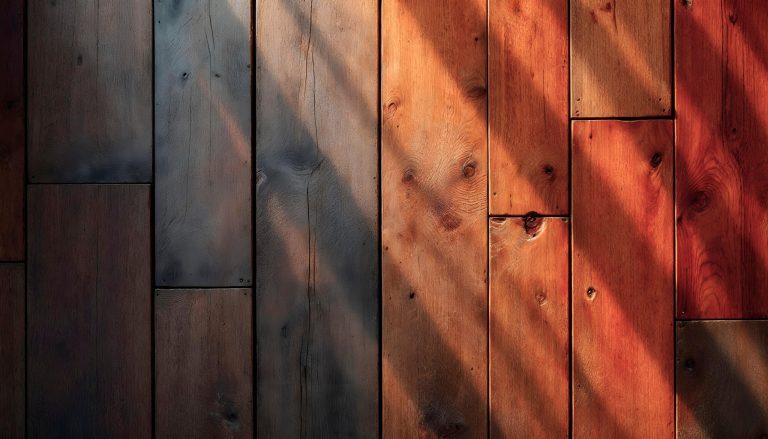
Hardwood floors expand and contract based on the amount of moisture in the air:
- High humidity → wood absorbs moisture and expands
- Low humidity → wood releases moisture and contracts
In a climate like Maryland’s, these fluctuations happen every year — sometimes dramatically — putting stress on your flooring if it’s not properly installed, finished, or maintained.
Common Humidity-Related Problems in Hardwood Floors
1. Gaps Between Floorboards (Low Humidity)
During winter months, indoor air becomes dry due to heating systems. As humidity drops, hardwood floors shrink, leading to visible gaps between boards.
✔ Small seasonal gaps are normal
✖ Large or uneven gaps may indicate humidity imbalance or installation issues
2. Cupping (High Humidity)
Cupping occurs when the edges of floorboards rise higher than the center. This is usually caused by excess moisture beneath or above the floor.
Common causes include:
- High indoor humidity
- Moisture from basements or crawl spaces
- Improper acclimation before installation
If addressed early, cupping may flatten once humidity levels stabilize.
3. Crowning
Crowning is the opposite of cupping — the center of the board rises higher than the edges. This often happens when a cupped floor is sanded before moisture issues are resolved.
Crowning usually requires professional evaluation and may involve refinishing or repairs.
4. Buckling (Severe Moisture Damage)
Buckling is one of the most serious problems and occurs when boards lift completely off the subfloor.
Causes may include:
- Flooding or plumbing leaks
- Long-term excessive humidity
- Poor moisture barriers
Buckling typically requires board replacement and professional restoration.
5. Finish Breakdown and Surface Damage
Excess humidity can weaken the protective finish on hardwood floors, leading to:
- Dull or cloudy appearance
- Peeling or flaking finish
- Increased susceptibility to scratches and stains
Once the finish fails, moisture can penetrate directly into the wood.
Ideal Indoor Humidity for Hardwood Floors
The recommended indoor humidity level for hardwood floors is 35%–55% year-round.
Maintaining this range is especially important in Maryland, where seasonal humidity swings are common.
What Maryland Homeowners Should Do to Protect Hardwood Floors
1. Use Humidity Control Devices
- Humidifiers in winter to prevent excessive drying
- Dehumidifiers in summer to reduce moisture buildup
- HVAC systems with humidity regulation
Consistent control is far more effective than reacting after damage appears.
2. Monitor Indoor Humidity
Use a digital hygrometer to track indoor humidity levels. These inexpensive devices help homeowners catch problems early before visible damage occurs.
3. Address Moisture Sources Promptly
Check and maintain:
- Plumbing and appliances
- Basements and crawl spaces
- Entryways exposed to rain or snow
Even small leaks can cause major flooring issues over time.
4. Ensure Proper Installation and Acclimation
Hardwood floors must be properly acclimated to the home’s environment before installation. Skipping this step increases the risk of cupping, gaps, and movement.
Working with an experienced, professional installer is essential.
5. Refinish Floors When Needed
Refinishing restores the protective barrier that shields hardwood from moisture and wear. Recoating before the finish wears through can prevent deeper damage.
When to Call a Professional
Contact a flooring expert if you notice:
- Persistent gaps or uneven boards
- Cupping, crowning, or buckling
- Water stains or dark discoloration
- Peeling or flaking finish
Early professional evaluation can often prevent full floor replacement.
Trust Local Experts Who Understand Maryland’s Climate
Humidity-related flooring issues require local expertise. Danzco Hardwood Floors has over 30 years of experience working with hardwood floors in Maryland’s unique climate conditions.
As an NWFA-certified flooring contractor, their team understands how moisture, installation methods, and finishes interact — and how to protect your floors long-term.
👉 Visit https://danzcohardwoodfloors.com/
📞 Call (410) 788-5919 to schedule a consultation or request an estimate.
Humidity is one of the biggest factors affecting hardwood floors in Maryland. While some seasonal movement is normal, excessive moisture or dryness can lead to serious damage if ignored.
With proper humidity control, regular maintenance, and professional guidance, homeowners can protect their investment and enjoy beautiful hardwood floors for decades.