
Refinishing hardwood floors is one of the best investments you can make in your home. Freshly sanded and refinished floors look beautiful, feel smooth, and significantly increase property value. However, the longevity of that flawless finish depends heavily on how well the floors are maintained after the refinishing process.
Improper care during the first weeks — and even months — can shorten the lifespan of your floors and lead to premature wear. In this guide, NWFA-certified installers share expert-approved maintenance tips to help your newly refinished hardwood floors stay beautiful for years to come.
Why Proper Maintenance Matters After Refinishing
After refinishing, hardwood floors are protected by a new finish layer, but this coating needs time to fully cure and strengthen. During this period, floors are more vulnerable to:
- Scratches and scuffs
- Moisture damage
- Finish dulling
- Premature wear in high-traffic areas
Following the correct care routine ensures:
- Longer finish life
- Better appearance over time
- Reduced need for frequent refinishing
The First 7 Days: Critical Care Period
The first week after refinishing is the most important.
Avoid Rugs and Mats
Do not place rugs, mats, or floor coverings for at least 7 days. These can trap moisture and prevent proper curing.
Limit Foot Traffic
- Light foot traffic is usually allowed after 24 hours
- Avoid shoes, especially heels or hard soles
- Keep pets’ nails trimmed
Do Not Clean With Water
Even damp mopping is not recommended during this stage. Moisture can interfere with the curing process.
Daily & Weekly Cleaning Best Practices
Use a Microfiber Mop or Soft Broom
Dust and small debris act like sandpaper on hardwood floors. Regular dry cleaning prevents surface scratches.
Vacuum Safely
Use a vacuum designed for hardwood floors and disable the beater bar to avoid scuffing the finish.
Avoid Traditional Wet Mops
Excess water is one of the biggest threats to hardwood floors. Never allow standing water on the surface.
What Cleaning Products Are Safe?
✔ Recommended
- Hardwood floor cleaners approved by NWFA
- pH-neutral wood floor solutions
- Manufacturer-recommended products
✖ Avoid
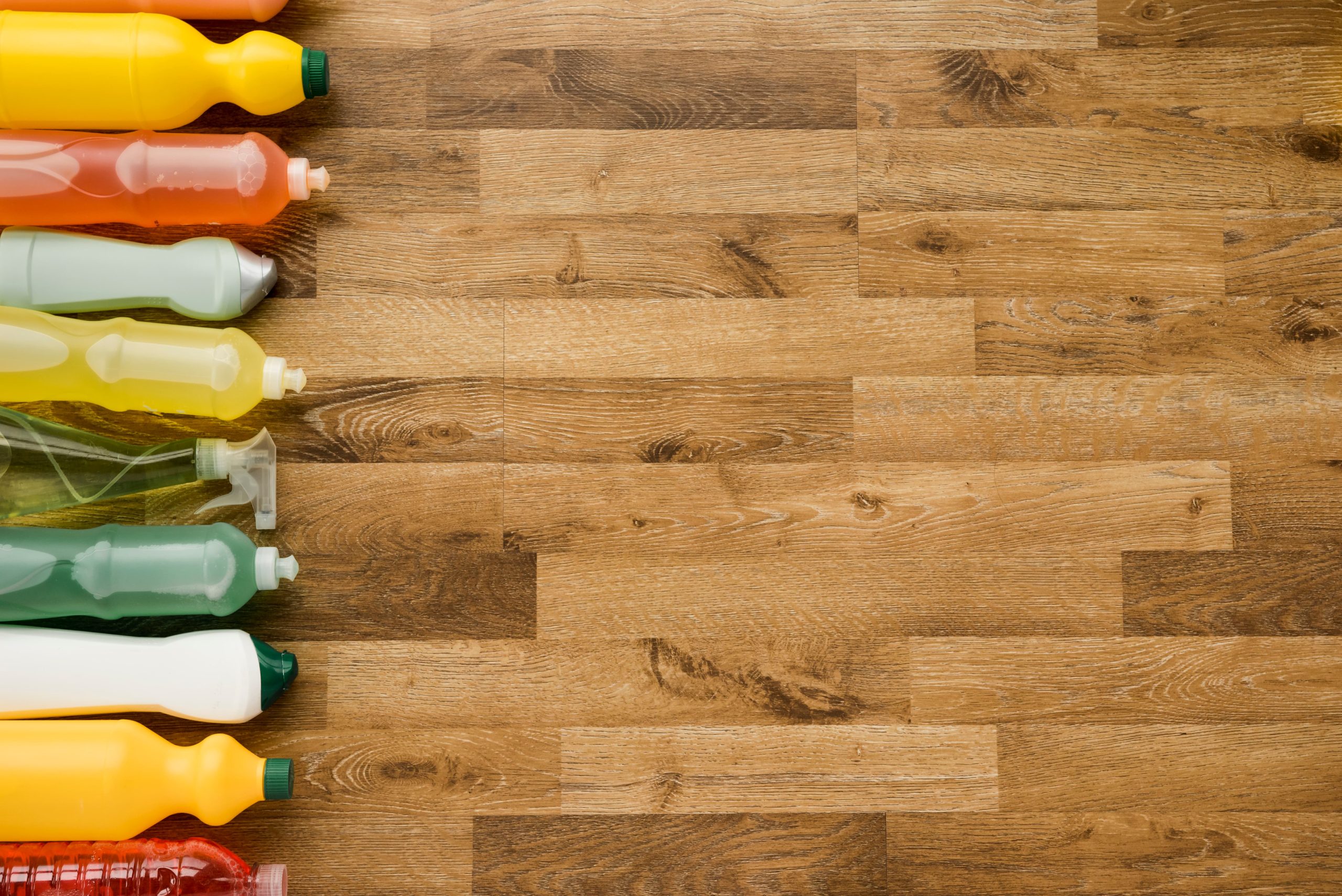
- Vinegar or ammonia-based cleaners
- Steam cleaners
- Abrasive or wax-based products
These products can break down the protective finish and permanently dull the floor.
Protecting Floors From Furniture Damage
Install Felt Pads
Add felt pads under all furniture legs, including chairs, tables, and sofas. Replace them regularly.
Lift — Don’t Drag
Always lift furniture when moving it. Dragging can leave deep scratches that penetrate the finish.
Use Area Rugs Strategically
Once the curing period is complete, rugs help protect high-traffic areas — just be sure to use breathable rug pads designed for hardwood floors.
Control Indoor Humidity Year-Round
Hardwood is a natural material that reacts to moisture in the air.
Ideal Indoor Humidity: 35%–55%
- Use humidifiers in winter
- Use dehumidifiers or air conditioning in summer
- Avoid sudden humidity changes
In areas like Maryland, seasonal humidity swings make climate control especially important.
Preventing Sunlight Damage
UV exposure can cause fading and discoloration over time.
Helpful Tips
- Use window treatments or UV-filtering film
- Rearrange rugs and furniture periodically
- Avoid leaving heavy objects in one place for long periods
These steps help maintain even color across the floor.
Shoes, Pets, and Everyday Habits
Shoes
Encourage a no-shoes policy indoors. Dirt and small stones carried on shoes can quickly damage the finish.
Pets
- Keep nails trimmed
- Clean accidents immediately
- Place mats near doors and feeding areas
Pets and hardwood floors can coexist — with the right precautions.
How Often Should Floors Be Recoated or Refinished?
- Screen & recoat: every 3–5 years
- Full refinishing: every 7–15 years
Recoating before the finish wears through to bare wood can significantly extend the life of your floors.
When to Call a Professional
Contact a professional if you notice:
- Deep scratches or worn-through areas
- Water stains or dark spots
- Finish peeling or flaking
- Uneven sheen or texture
Early professional intervention often prevents costly repairs.
Trust NWFA-Certified Experts for Long-Term Results
Proper care starts with professional installation and continues with expert guidance. Danzco Hardwood Floors is an NWFA-certified flooring contractor with over 30 years of experience serving homeowners in Maryland.
Their team not only delivers high-quality refinishing but also educates homeowners on proper long-term care — ensuring floors stay beautiful for decades.
👉 Visit https://danzcohardwoodfloors.com/
📞 Call (410) 788-5919 to schedule a consultation or request expert advice.
Newly refinished hardwood floors are a major upgrade — but they require proper care to protect your investment. With the right cleaning habits, humidity control, and preventative measures, your floors will remain stunning and durable for many years.
A little care today prevents costly repairs tomorrow.