
Hardwood floors add timeless beauty and value to any home. But even the highest-quality wood flooring doesn’t last forever without proper care. Over time, daily wear, moisture, sunlight, and foot traffic can slowly damage the surface — often without homeowners realizing how serious the problem has become.
The key is recognizing the warning signs early. Restoring hardwood floors at the right moment can save thousands of dollars and prevent the need for full replacement.
Below are the most important signs your hardwood floors need restoration — before it’s too late.
1. Deep Scratches and Visible Wear Patterns
Light surface scratches are normal, but deep grooves, claw marks, or heavy wear paths in hallways and living areas indicate that the protective finish has worn through.
Once the wood itself is exposed, damage accelerates quickly. Dirt and moisture penetrate the surface, leading to long-term structural issues.
✔ Early restoration removes scratches and reseals the wood
✖ Waiting too long may require board replacement
2. Dull, Cloudy, or Lifeless Appearance
If your floors no longer shine — even after cleaning — this is a strong sign that the finish has broken down. A cloudy or hazy look means the top protective layer can no longer reflect light properly.
Refinishing restores clarity, depth, and the natural beauty of the wood grain.
3. Fading or Discoloration From Sunlight
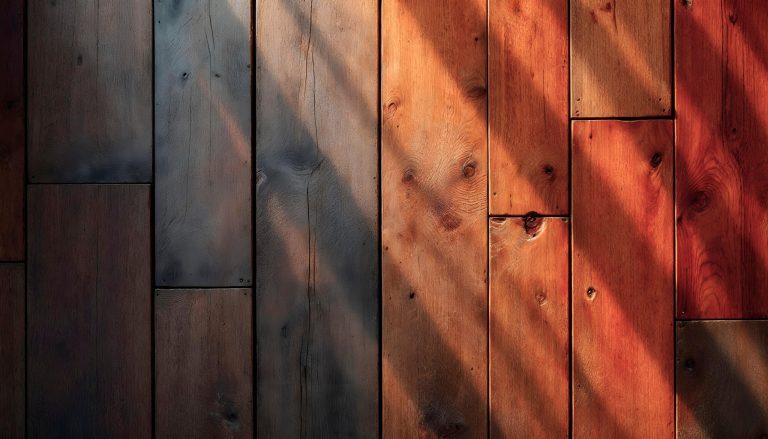
Sun exposure causes uneven color changes, especially near windows, doors, and furniture edges. Over time, this leads to patchy floors with visible light and dark areas.
Professional sanding removes the uneven surface layer and allows for even staining and color correction across the entire floor.
4. Water Stains, Dark Spots, or Ring Marks
Dark stains often indicate moisture penetration — one of the most dangerous threats to hardwood floors. These marks usually appear near sinks, entryways, pet areas, or plant pots.
If addressed early, sanding and refinishing can often remove water stains. If ignored, moisture can cause warping, rot, or mold under the boards.
⏱ Timing matters — the longer moisture sits, the more severe the damage becomes.
5. Splintering or Rough Texture
Running your hand or bare feet across the floor should feel smooth. If you notice rough spots, splinters, or raised grain, it means the finish has completely worn off in those areas.
This is not just a cosmetic issue — it’s a safety concern, especially for children and pets.
6. Gaps Between Floorboards
Seasonal humidity changes can cause hardwood to expand and contract. Small gaps are normal, but widening or uneven gaps may indicate deeper issues.
During restoration, professionals can assess whether gaps are cosmetic or structural and recommend refinishing, repair, or partial replacement if needed.
7. Peeling, Chipping, or Flaking Finish
If the finish is visibly peeling or chipping, your floors are no longer protected. This allows dirt, moisture, and bacteria to penetrate directly into the wood.
At this stage, restoration is urgent — delaying can permanently damage the boards.
8. Floors Have Been Refinished Years Ago
Most hardwood floors need refinishing every 7–15 years, depending on traffic and finish type. If you can’t remember the last time your floors were refinished, it’s likely time for an evaluation.
An experienced contractor can determine whether your floors are suitable for another sanding or if alternative solutions are needed.
Why Early Restoration Matters
Restoring hardwood floors early offers major benefits:
- ✅ Extends the life of your flooring by decades
- ✅ Costs significantly less than full replacement
- ✅ Improves indoor air quality by sealing dust and allergens
- ✅ Increases home value and visual appeal
- ✅ Prevents structural damage caused by moisture
Delaying restoration often turns a refinishing project into a costly replacement job.
What Happens During Professional Hardwood Floor Restoration?
A professional restoration typically includes:
- Full sanding to remove old finish and surface damage
- Repair or replacement of damaged boards (if needed)
- Optional stain application for color change or refresh
- Application of durable protective finish (water- or oil-based)
Modern equipment captures most airborne dust, keeping your home clean throughout the process.
Trust a Professional Before It’s Too Late
If you’re noticing any of the signs above, it’s best to consult a professional before the damage becomes irreversible.
Danzco Hardwood Floors is an NWFA-certified flooring contractor with over 30 years of experience serving homeowners in Maryland. Their team specializes in hardwood floor restoration, sanding, refinishing, and repairs — always using professional-grade materials and proven techniques.
👉 Visit https://danzcohardwoodfloors.com/
📞 Call (410) 788-5919 to schedule a consultation or request an estimate.
Hardwood floors are an investment — and like any investment, they need proper care. Recognizing the early warning signs and acting quickly can save your floors, your money, and your peace of mind.
If your floors look worn, dull, or damaged, don’t wait. Restoration done at the right time makes all the difference.