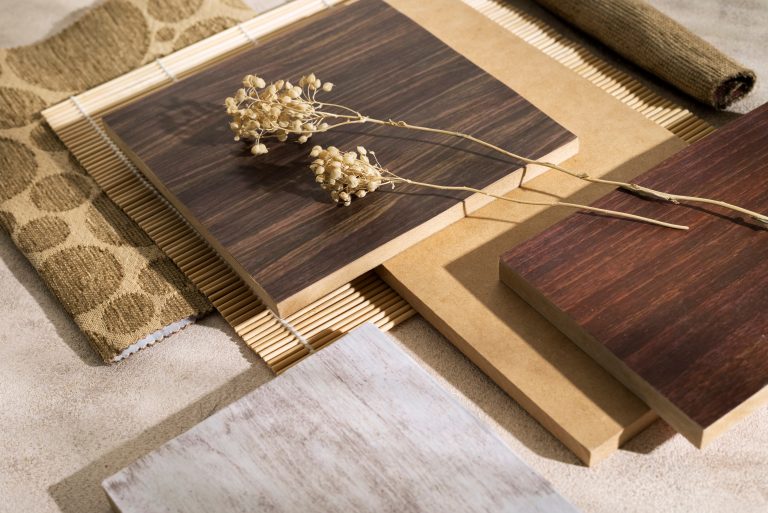

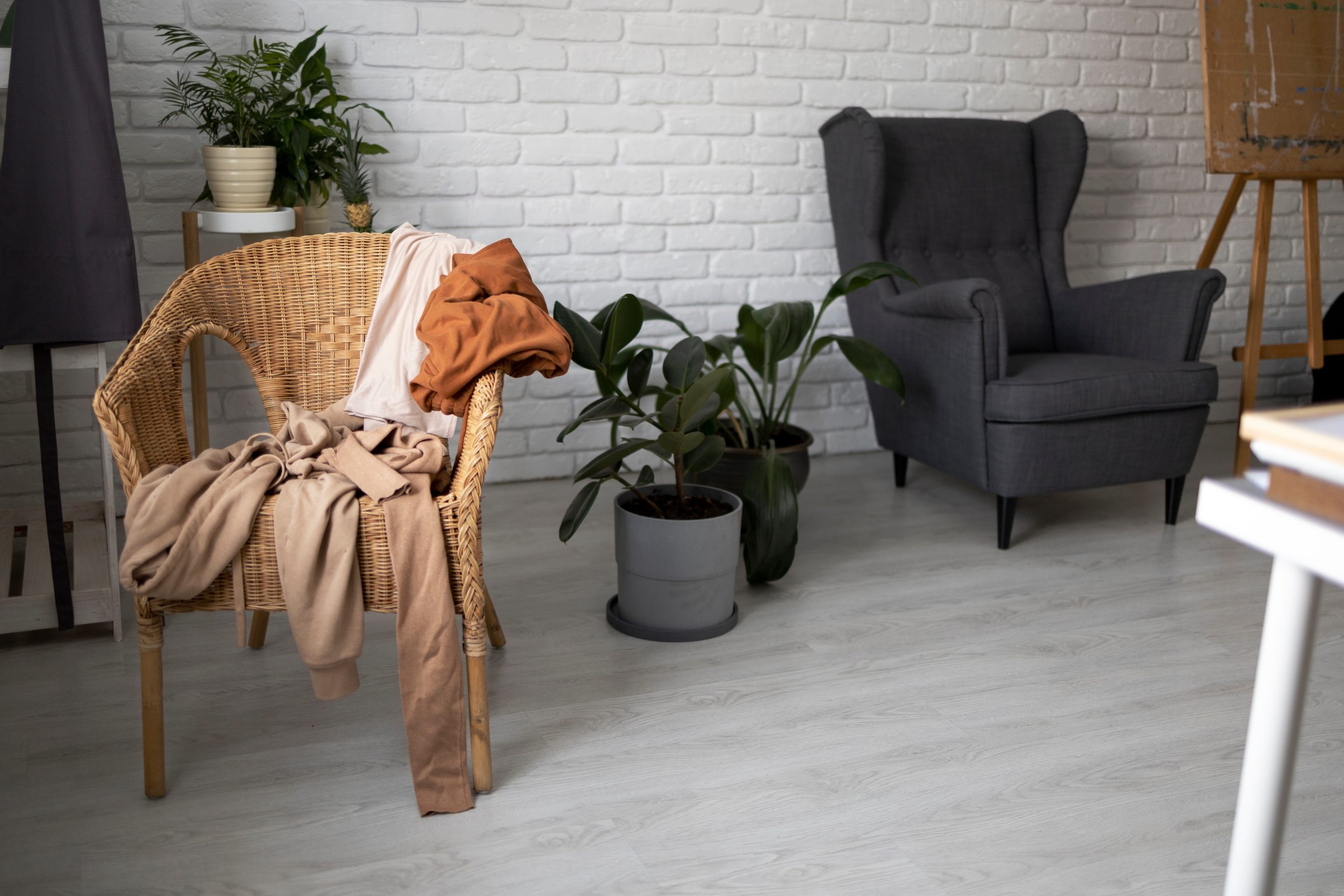
Hardwood flooring trends in 2026 are centered on natural beauty, warmer colors, visible wood character, and long-lasting design. Homeowners are moving away from cold gray floors and overly polished surfaces in favor of warm oak, medium brown, wide planks, matte finishes, and distinctive patterns.
Light natural floors remain popular, but deeper walnut and rich brown tones are also returning. The overall direction is less about following one specific color and more about selecting hardwood that feels authentic, complements the home, and will continue to look appropriate after current trends change.
Here are the leading 2026 hardwood flooring trends and practical considerations for choosing the right option for your home.
2026 Hardwood Flooring Trends at a Glance
The most notable wood flooring trends for 2026 include:
- Warm natural oak colors
- Honey, beige, and medium-brown stains
- Refined walnut and chocolate-brown floors
- Wide and extra-wide planks
- Matte and satin finishes
- White oak flooring
- Herringbone and chevron patterns
- Natural grain and textured surfaces
- Refinishing instead of replacing existing hardwood
- Consistent flooring between connected rooms
- Sustainable and responsibly sourced materials
- Personalized stain colors and mixed design styles
1. Warm Natural Hardwood Colors
Warm and natural wood colors are one of the strongest hardwood flooring trends of 2026.
Popular directions include:
- Natural white oak
- Warm beige
- Honey
- Soft blonde
- Golden brown
- Neutral oak
- Warm greige
- Medium brown
These colors make a home feel inviting without becoming overly yellow, orange, or dark. They also coordinate easily with natural stone, cream walls, wood furniture, brass hardware, and earthy accent colors.
Warm natural floors work especially well in organic modern, transitional, Scandinavian, coastal, farmhouse, and minimalist interiors.
2. Medium-Brown Floors Return
Light wood remains popular, but medium-brown hardwood is returning as homeowners look for additional warmth and depth.
Medium brown provides a practical balance between very light and very dark flooring. It creates definition without making a room feel heavy and is generally more forgiving of dust and scratches than espresso or black stains.
Popular medium-tone directions include:
- Special Walnut
- Provincial
- Early American
- Chestnut
- Warm walnut
- Natural brown
These colors complement both traditional and contemporary interiors and can remain relevant even as furniture and wall colors change.
3. Dark Hardwood Is Used More Intentionally
Dark hardwood floors are not out of style in 2026. Instead, deep stains are being used more selectively.
Warm walnut, chocolate brown, chestnut, and refined espresso can create a sophisticated foundation for rooms with large windows, light walls, and pale furniture.
Very dark floors require more visual maintenance because they tend to reveal dust, pet hair, footprints, and scratches. Homeowners selecting dark flooring are often pairing it with matte or satin finishes to reduce reflection.
Our comparison of light and dark hardwood floors explains how each option affects room size, lighting, pets, and maintenance.
4. White Oak Remains a Leading Choice
White oak continues to be an important hardwood flooring choice because of its durability, attractive grain, and versatility.
Its natural beige and brown undertones work with:
- Clear natural finishes
- Blonde and honey colors
- Warm-neutral stains
- Medium brown
- Weathered tones
- Deeper walnut stains
White oak generally produces a more neutral result than red oak, which has stronger pink and red undertones. This makes white oak suitable for many modern color palettes.
However, red oak, maple, hickory, pine, and other species remain appropriate depending on the desired appearance, budget, and room conditions.
Use our wood species comparison to review grain, hardness, color, and other characteristics.
5. Wide Plank Hardwood Flooring
Wide plank hardwood remains a major design direction in 2026. Broader boards display more of the wood’s grain and create fewer seams across the room.
Wide planks can:
- Give rooms a calmer appearance
- Highlight natural grain variation
- Complement open-concept layouts
- Make a design feel more custom
- Work with modern and traditional interiors
Wide plank flooring is not automatically appropriate for every installation. Board construction, wood species, subfloor, moisture conditions, and indoor humidity must be considered.
Compare the advantages of wide plank vs. narrow plank hardwood before selecting the dimensions.
6. Matte and Satin Finishes
Matte and satin finishes continue to receive more attention than highly reflective gloss.
Matte finish creates a natural, low-sheen appearance and helps conceal dust, footprints, and minor scratches. Satin reflects slightly more light while remaining easier to maintain visually than semi-gloss or gloss.
Matte works particularly well with:
- Natural oak
- Wide planks
- Rustic textures
- Dark floors
- Homes with children or pets
- High-traffic rooms
Satin is an excellent all-around option for homeowners who want a subtle sheen and greater definition of the wood grain.
The sheen does not determine durability by itself. The finish product, surface preparation, application, curing, and maintenance are more important.
See our detailed comparison of matte vs. satin hardwood floor finishes.
7. Natural Texture and Visible Wood Character
Perfectly uniform hardwood is no longer the only desired appearance. Many homeowners now prefer floors that clearly look and feel like real wood.
Popular characteristics include:
- Visible grain
- Natural variation between boards
- Knots and mineral streaks
- Wire-brushed surfaces
- Light distressing
- Reclaimed appearance
- Character-grade hardwood
These features add depth and individuality. They also make minor scratches, dents, and everyday wear less noticeable than they would be on a highly uniform, glossy floor.
Natural texture should still be selected with cleaning and household needs in mind. Deep surface texture may require a different cleaning routine than smooth hardwood.
8. Herringbone and Chevron Patterns
Herringbone and chevron patterns are being used to add architectural character to hardwood floors.
They are especially effective in:
- Entryways
- Dining rooms
- Home offices
- Formal living rooms
- Large open areas
- Historic renovations
Herringbone uses rectangular pieces arranged in an offset zigzag pattern. Chevron boards are cut at an angle so their ends meet in a continuous point.
Both require detailed planning, precise installation, and additional material compared with a standard straight plank layout. They can be used throughout a room or limited to an accent area.
9. Seamless Flooring Between Rooms
Using one consistent hardwood style across connected rooms remains popular in modern homes.
Continuous flooring can:
- Make a home feel larger
- Improve visual flow
- Reduce distracting transitions
- Connect open-concept spaces
- Create a more cohesive interior
This approach works particularly well across living rooms, dining rooms, kitchens, and hallways.
The direction and layout of the boards should be planned around the subfloor, floor joists, room configuration, and transitions-not appearance alone.
10. Refinishing Existing Hardwood
Refinishing old hardwood instead of replacing it remains both a practical and sustainable option.
Professional sanding and refinishing may:
- Remove surface scratches
- Repair certain damaged areas
- Replace an outdated stain color
- Change the finish sheen
- Restore worn traffic lanes
- Reveal the original wood
- Extend the useful life of the floor
- Reduce the need for new flooring materials
Not every floor can be refinished indefinitely. The remaining thickness, previous sanding, wood condition, and type of flooring must be evaluated first.
Learn more about professional hardwood floor restoration and refinishing.
11. Personalized Stain Colors
Homeowners are increasingly choosing floor colors based on their specific lighting, wood species, cabinets, and furniture rather than selecting a stain solely because it is popular.
A custom stain or carefully selected standard color can help:
- Coordinate new and existing hardwood
- Reduce unwanted red or orange undertones
- Complement kitchen cabinets
- Create a specific warm or neutral result
- Preserve visible grain
- Connect adjoining rooms
Digital color samples cannot accurately predict the final result. Stains should be tested directly on the actual floor whenever possible.
Our Minwax hardwood floor stain color guide compares popular light, medium, and dark options.
12. Practical Colors for Active Homes
Appearance is not the only factor influencing flooring choices in 2026. Homeowners also want floors that remain attractive with children, pets, and daily traffic.
Light-to-medium natural wood colors with visible grain are among the most forgiving options. They generally conceal dust, pet hair, scratches, and minor wear better than extremely dark or highly uniform flooring.
For an easier-care appearance, consider:
- Natural oak
- Honey
- Warm beige
- Medium brown
- Visible grain variation
- Matte or satin finish
Read our guide to the hardwood floor colors that hide dirt and scratches best.
What Is the Leading Sustainable Flooring for Modern Architecture?
There is no single sustainable flooring option that is appropriate for every project. The environmental impact depends on sourcing, manufacturing, transportation, installation, durability, maintenance, and whether the material can be repaired.
For homes with existing hardwood, refinishing may be one of the most resource-conscious choices because it preserves material that has already been installed.
Other options to consider include:
- Responsibly sourced hardwood
- Reclaimed wood
- Durable floors that can be refinished
- Locally sourced materials where available
- Low-emission adhesives and finishes
- Engineered hardwood designed for the installation conditions
A long-lasting floor that can be repaired and refinished may create less waste than a product that requires complete replacement after damage.
Solid vs. Engineered Hardwood in 2026
Both solid and engineered hardwood remain relevant.
Solid hardwood consists of wood throughout the board and can often be sanded and refinished multiple times, depending on its thickness and condition.
Engineered hardwood has a real hardwood wear layer over a layered base. It offers greater dimensional stability in some environments and may be appropriate over concrete or in areas where solid hardwood is not recommended.
The number of times engineered flooring can be refinished depends on the thickness of its wear layer.
Review our flooring type comparison before choosing between unfinished solid, prefinished solid, engineered hardwood, laminate, and luxury vinyl plank.
Are Gray Hardwood Floors Still in Style?
Gray hardwood has not disappeared, but cold blue-gray flooring is less dominant in 2026.
Homeowners are favoring warmer greige, beige, taupe, natural oak, and brown tones. These colors provide a neutral foundation while making rooms feel warmer and more inviting.
Existing gray hardwood does not necessarily need to be replaced. If the floor is in good condition, refinishing may allow the color to be adjusted. The possible result depends on the wood species, current stain, and remaining floor thickness.
Are Dark Wood Floors in Style in 2026?
Yes. Dark wood floors remain in style when they are selected intentionally.
Warm walnut, chocolate brown, and chestnut are particularly suitable for interiors that need depth and contrast. Near-black and extremely dark espresso stains remain available but tend to show more dust and surface wear.
Dark hardwood works best with sufficient lighting, lighter surrounding finishes, and a matte or satin sheen.
Are Wide Plank Floors Timeless or Trendy?
Wide plank flooring is currently popular, but it also has a long history in traditional buildings. Its longevity depends on the wood, proportions, installation quality, and relationship to the home’s architecture.
Moderately wide planks in a natural color are generally more versatile than unusually wide boards with an extreme trend-focused stain.
What Hardwood Floor Color Has the Best Long-Term Appeal?
Natural oak, warm light-to-medium brown, honey, and neutral wood colors usually have broad long-term appeal. They work with many interior styles and are less dependent on a specific short-lived trend.
The best long-term choice is a color that complements the home, lighting, existing woodwork, and household lifestyle.
Frequently Asked Questions
What hardwood flooring is trending in 2026?
Warm natural colors, white oak, medium brown, wide planks, matte finishes, visible grain, herringbone patterns, and refinished existing hardwood are notable trends in 2026.
What hardwood floor colors are popular in 2026?
Natural oak, honey, warm beige, blonde wood, medium brown, walnut, and chocolate brown are receiving attention. Cold gray and extremely bleached colors are less dominant.
Are light hardwood floors still popular?
Yes. Light and natural hardwood remains popular because it reflects light, makes rooms feel more open, and generally conceals dust and scratches better than dark flooring.
Is dark hardwood outdated?
No. Warm dark-brown and walnut floors remain stylish. Very dark floors are used more selectively because they require additional visual maintenance.
Is white oak still popular in 2026?
Yes. White oak remains popular because of its neutral undertones, grain, durability, and ability to work with light, medium, and dark finishes.
Are matte hardwood floors better than gloss?
Matte floors conceal scratches, dust, and footprints more effectively. Gloss provides stronger reflection but requires more visual maintenance. The best choice depends on the desired appearance and household activity.
Is it better to refinish or replace hardwood floors?
Refinishing is often appropriate when the existing hardwood is structurally sound and has enough material remaining for sanding. Replacement may be necessary when the floor is extensively damaged or cannot be refinished safely.
What hardwood flooring is best for a modern home?
White oak, warm natural colors, medium brown, wide planks, and matte or satin finishes work well in many modern homes. The best selection must also suit the room, subfloor, climate, and lifestyle.
Professional Hardwood Flooring in Baltimore, MD
Trends can provide inspiration, but hardwood flooring should be selected for the home’s architecture, lighting, traffic, and long-term needs.
Danzco Hardwood Floors has served Baltimore and surrounding Maryland communities since 1988. Our NWFA-certified team provides professional hardwood floor installation, sanding, refinishing, repairs, custom staining, and finish selection.
Call (410) 788-5919 or contact Danzco Hardwood Floors online to schedule an on-site estimate.